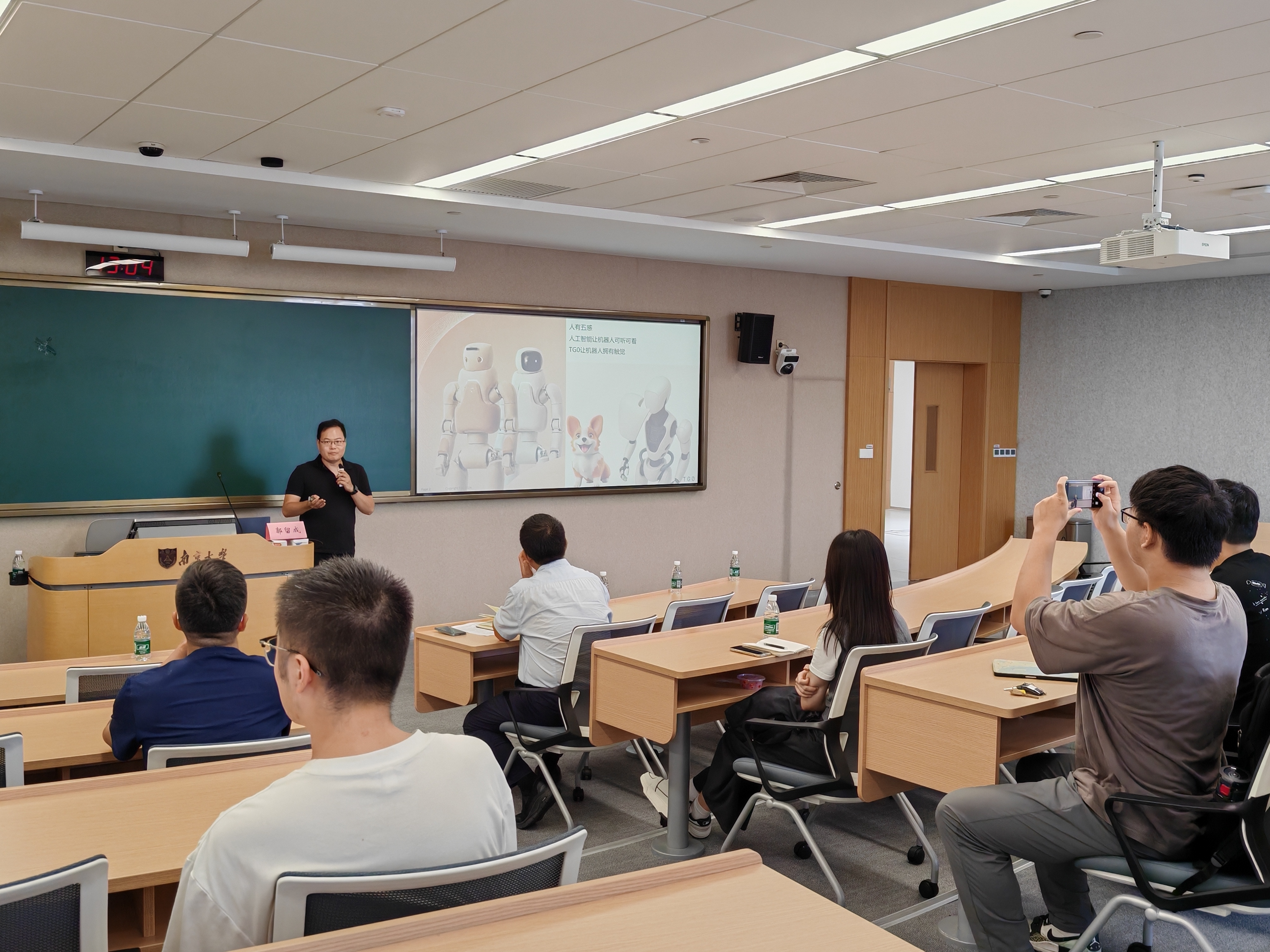
On August 28, 2026, Professor Shan Caifeng, Associate Dean of our school, invited Dr. Guo Liucheng, a Fellow of the Royal Academy of Engineering (Industry) and Co-founder & CTO of TG0 (Touch Technology), to deliver a lecture titled “AI for Sensing: From Smart Materials to Robotic Touch — Tactile Intelligence for Physical AI.” The session was moderated by Professor Shan.
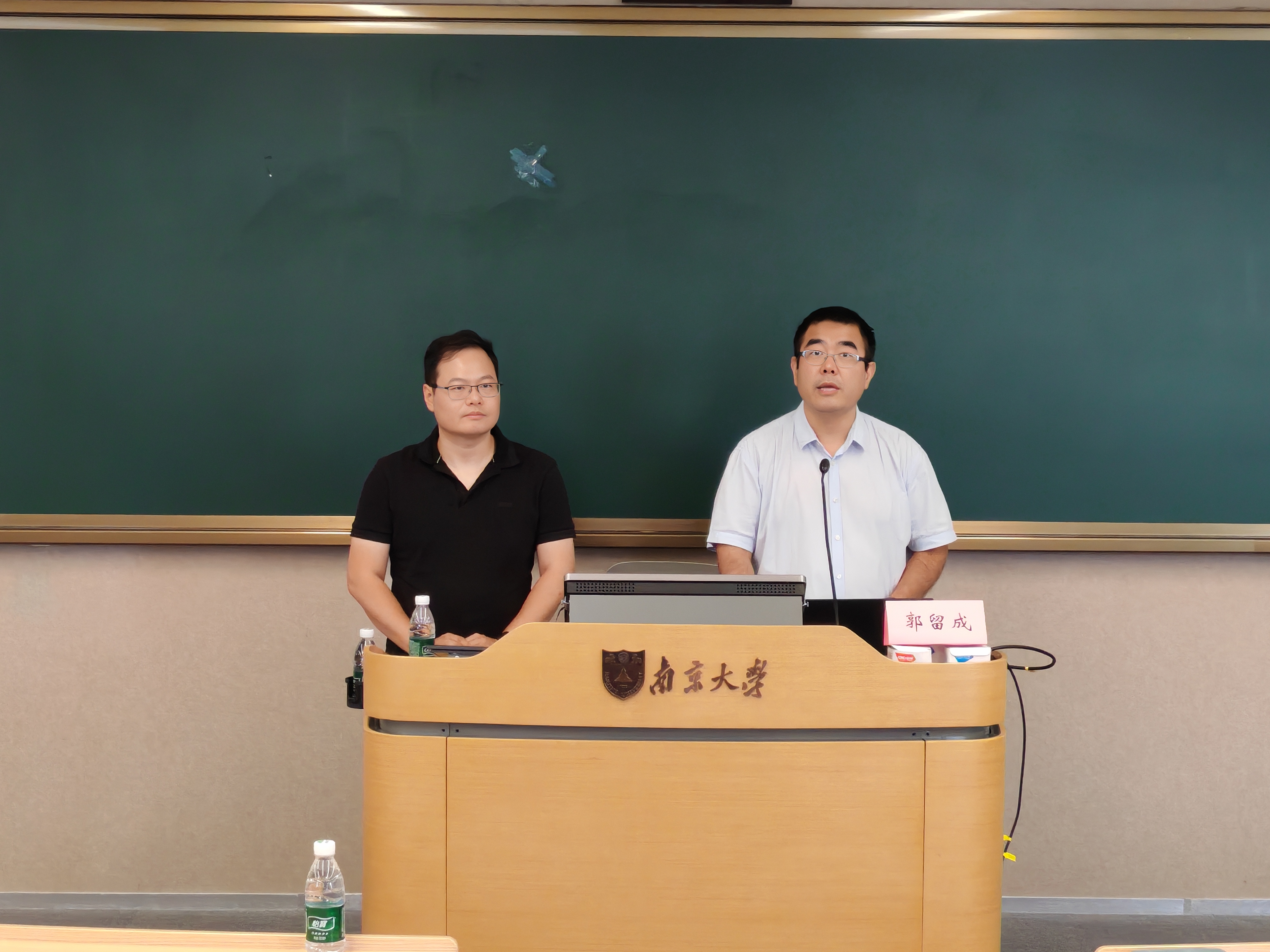
Dr. Guo Liucheng began his talk by reviewing the current state of artificial intelligence development and the latest advancements presented at the recent World Artificial Intelligence Conference (WAIC). He then elaborated on the critical role of tactile perception in advancing robots toward genuine intelligence, and shared the technological breakthroughs and industrial application prospects of TG0 (Touch Technology) in the field of intelligent tactile sensing.
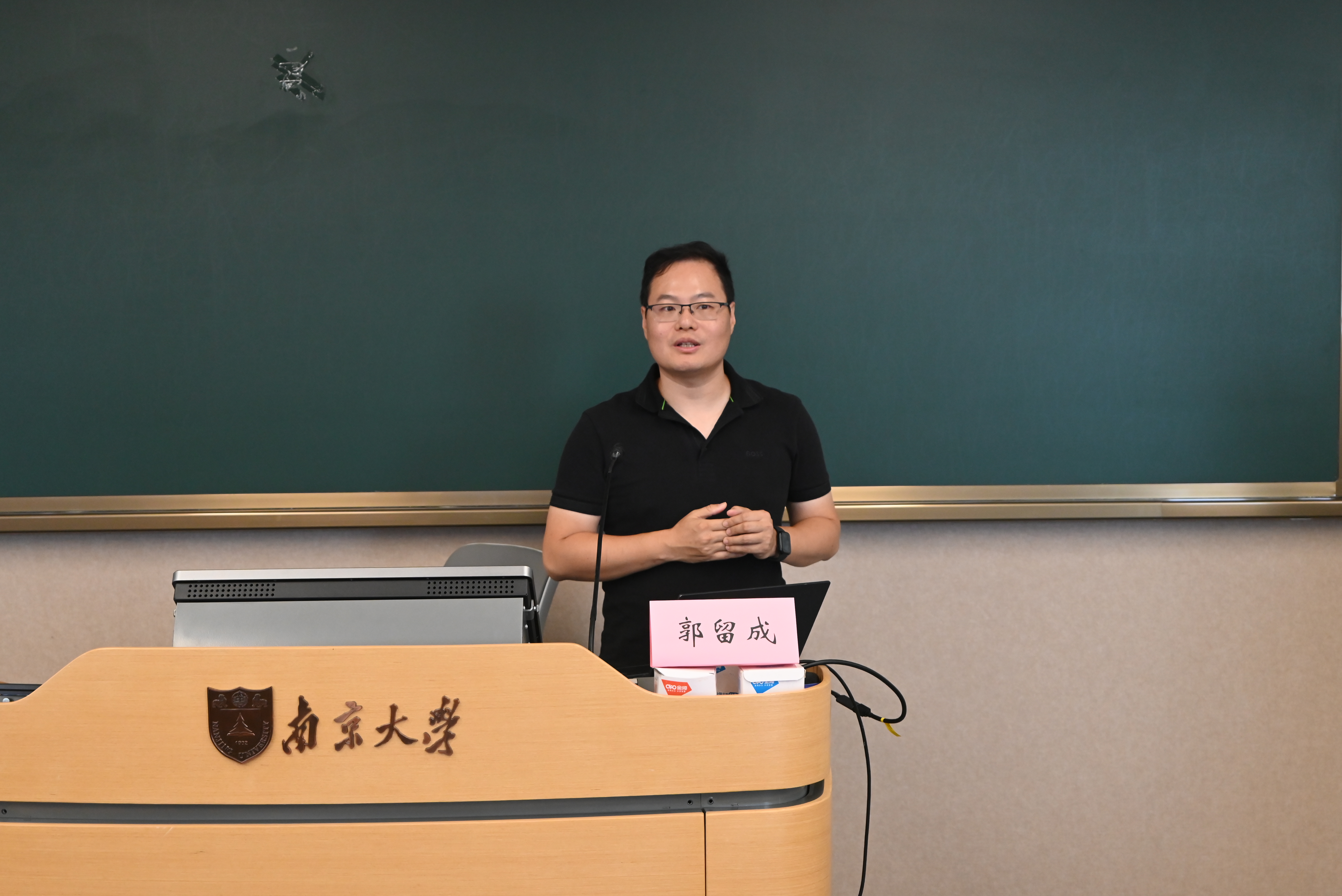
He noted that perceptual technologies such as vision and hearing have made significant strides in artificial intelligence, but touch—the most fundamental and direct perceptual modality in physical interaction—has long been overlooked. If robots are to truly enter the stage of “intelligence” and perceive and respond to the physical world with the subtlety of human touch, tactile capabilities are indispensable. Traditional tactile sensing solutions typically rely on placing multiple discrete sensing units on the surface of objects, which not only requires additional electronic components and wiring but also often demands hardware redesign when facing different materials, structures, and application scenarios. TG0, however, has proposed a different technological path: turning the material itself into a sensing medium and using AI to interpret signal variations within it. By actively stimulating and capturing the material's response signals, the system can track dynamic changes under touch, pressure, deformation, and force loading, and then infer the corresponding behavior and interaction states through algorithmic processing—thereby achieving a transition from discrete to continuous, intelligent sensing. More critically, this approach largely converts “differences in materials and structures” into “differences in algorithms and model parameters,” allowing the adaptation to different materials and application scenarios simply by adjusting the algorithms, thus significantly reducing the need for hardware redesign.
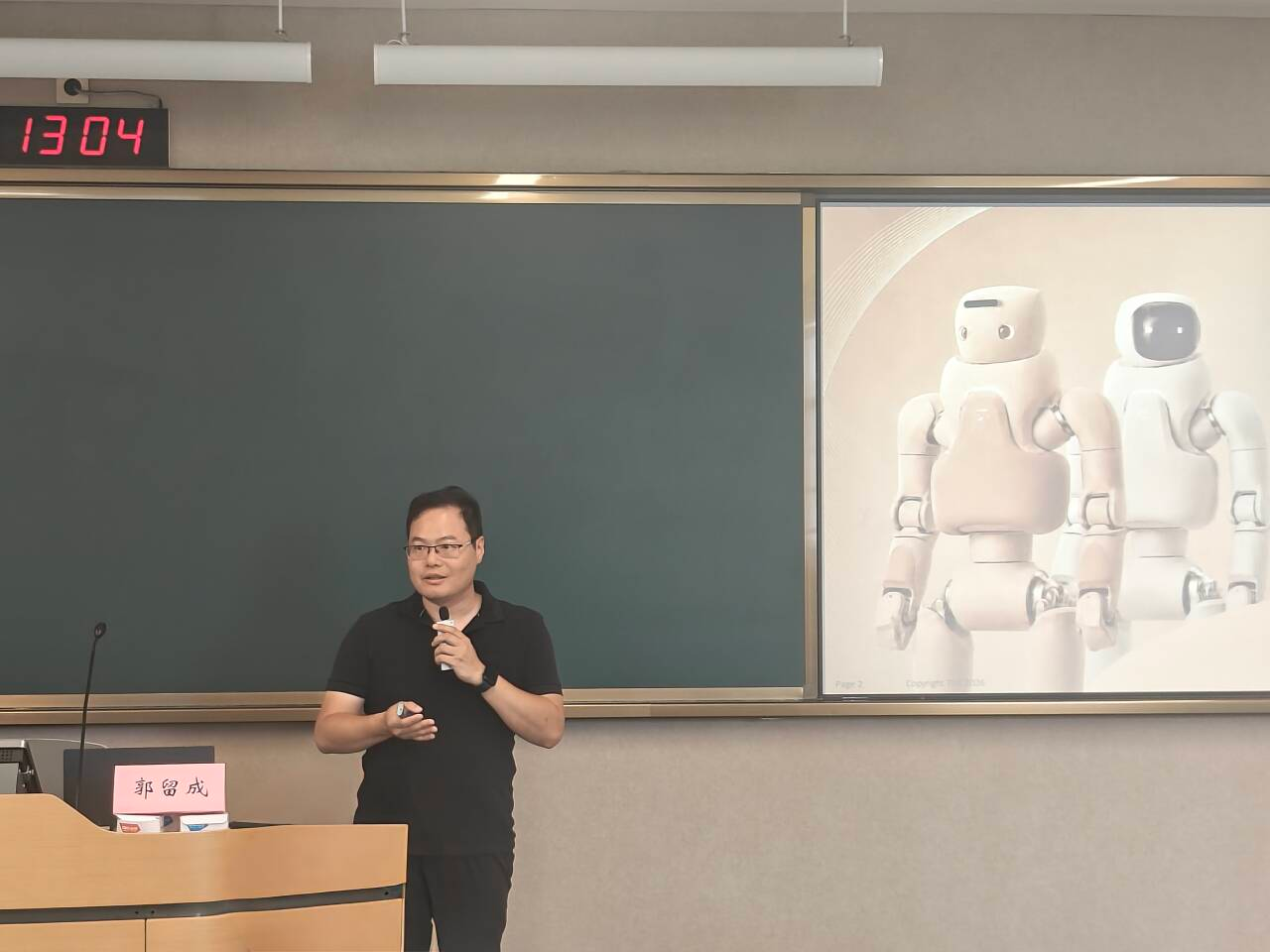
In terms of applications, Dr. Guo Liucheng demonstrated the diverse scenarios where TG0's tactile intelligence technology can be deployed. In the field of dexterous hands, the system is capable of detecting subtle shear force changes before an object begins to slip, enabling the robotic hand to perceive and react before the object actually falls. For robot bodies, integrating intelligent sensing materials into the robot's surface can endow robots with tactile capabilities akin to human skin. In the smart automotive sector, the technology can be applied to smart steering wheels, buttonless interiors, and intelligent seats, allowing vehicle interiors to perceive the driver's touch, posture, and interactive behavior. Furthermore, TG0's tactile intelligence technology also shows broad application potential in areas such as smart sports, medical rehabilitation, and XR/VR. Dr. Guo Liucheng was also awarded the 2026 Royal Silver Medal, making him the only Chinese recipient of this honor in the past decade. During the interactive session, faculty and students actively raised questions related to their own research interests, engaging in an in-depth and thought-provoking exchange with Dr. Guo.